
Why Are Mosquitoes So Bad in Charleston? A Lowcountry Guide
If you have ever emptied every flowerpot on your property, cleaned the gutters, and still gotten eaten alive on your own porch, you are not doing anything wrong. Charleston homeowners are dealing with two separate mosquito problems at the same time, and only one of them starts in your yard.
Understanding the difference is the fastest way to stop wasting effort on the wrong fix.
What kinds of mosquitoes live in the Lowcountry?
South Carolina is home to at least 61 mosquito species, according to the South Carolina Department of Public Health. Only a handful of them cause most of the complaints around Charleston homes, and they fall into two groups that behave very differently.
Container breeders:
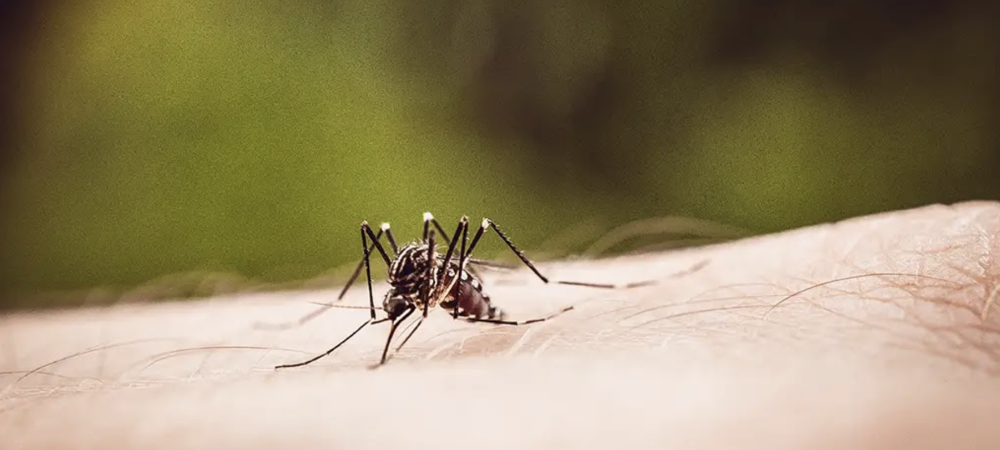
The Asian tiger mosquito is the most common daytime biting mosquito in the Carolinas. Clemson Cooperative Extension notes that this species does not breed in swamps or natural wetlands at all. It breeds in artificial containers: clogged gutters, birdbaths, flowerpot saucers, tarps, buckets, kids' toys, boat covers, and old tires. These are the mosquitoes that come from your property or your neighbor's.
Salt marsh mosquitoes.
These are the aggressive biters that show up in waves after a heavy rain or a king tide. Unlike container breeders, salt marsh species lay eggs in damp soil above the waterline in the high marsh. The eggs sit there until tidal flooding or rainfall covers them, and then they hatch in enormous numbers at once. They are also strong fliers, which is why homes several miles inland from any visible marsh still get hit.
When does mosquito season start in Charleston?
Mosquito activity ramps up in spring and runs into late fall, with the heaviest pressure through the hot, humid months. For reference on how the state tracks the season, DPH runs its dead bird surveillance program for West Nile virus from mid-March through November each year, which is a reasonable proxy for when mosquitoes are active enough to matter.
Our winters are mild enough that activity does not stop cleanly. A warm stretch in February can wake things up early.
What diseases do mosquitoes carry in South Carolina?
According to DPH, the most common diseases potentially carried by mosquitoes in South Carolina are West Nile virus, eastern equine encephalitis, La Crosse encephalitis, Saint Louis encephalitis, and dog and cat heartworm. West Nile virus is the most common disease concern for people in the state.
Heartworm is worth a separate mention for pet owners. It is transmitted by mosquito bite, and prevention is something to discuss with your veterinarian rather than something a yard treatment addresses.
Most mosquito bites in Charleston are a nuisance rather than a health event. The point is not alarm, it is that reducing bites has a real benefit beyond comfort.
What actually reduces mosquitoes around your home?
Here are some ways you can try to cut mosquito populations around your home:
-
Eliminate standing water weekly: Flush birdbaths and pet bowls with a hose rather than topping them off. Clear gutters and check that downspouts drain fully. Turn over or drill drainage holes in buckets, wheelbarrows, and storage containers. Check tarps, boat covers, and grill covers for pooled water after rain. Empty flowerpot saucers, kids' toys, and recycling bins. Look at tree holes, corrugated drainage pipe, and clogged French drains, which are the ones people miss
-
Reduce daytime resting sites: Adult mosquitoes rest in shaded, humid vegetation during the heat of the day. Thinning dense groundcover, trimming shrubs away from the foundation, and improving airflow in the yard makes the space less usable to them.
Understand what you cannot reach. The tidal marsh, drainage ditches, and wooded lots around your neighborhood are breeding and resting habitat you have no access to. No amount of yard cleanup changes them. That is the gap a property-level treatment program is built to close, by making your own yard inhospitable even when pressure from surrounding habitat stays high.
When is it time to call a professional?
If you have eliminated standing water on your property and you still cannot use your yard at dusk, the source is likely off your property or in habitat you cannot drain. That is the point where a professional larvicide and barrier treatment program starts to make sense, because it targets resting sites and breeding habitat you cannot reach on your own.
A single treatment will not carry you through a Lowcountry summer. If you're ready to be done with mosquitoes for good, call mosquito exterminators to get the job done for you.
Key takeaways
- Charleston has two mosquito problems: container breeders from your yard and salt marsh species that fly in from the tidal marsh
- Water standing five days or more can produce mosquitoes, and Asian tiger mosquito eggs can hatch within 24 hours
- West Nile virus is the most common mosquito-borne disease concern for people in South Carolina
- County mosquito control programs, not the state, handle public land, and they take resident service requests
- Yard cleanup is necessary but often not sufficient near the marsh
Mosquito pressure in the Lowcountry is a habitat problem, not a housekeeping problem. If you have done the yard work and it still is not enough, contact a professional mosquito control company to inspect your property, identify the breeding and resting sites that are actually driving the activity, and build a treatment plan that matches the season.