
Types of Cockroaches in South Carolina: Identification Guide
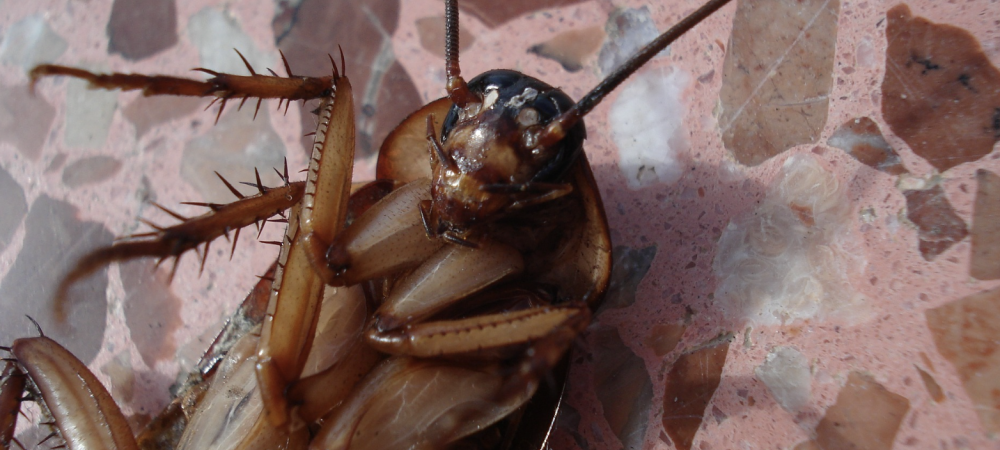
South Carolina's warm, humid climate can provide favorable conditions for a variety of cockroach species. While most cockroaches live outdoors and play a role in breaking down organic matter, several species are well adapted to living around homes and other buildings. Knowing what different cockroaches look like and where they tend to live can help you determine what you are seeing.
Common cockroaches found in and around South Carolina homes include the American, German, Oriental, brown-banded, smokybrown, and wood cockroaches. Although these species may all be called "roaches," they differ in size, appearance, preferred habitat, and how likely they are to establish themselves indoors.
1. American Cockroach
The American cockroach is one of the largest cockroach species commonly encountered around South Carolina homes. Adults are generally reddish-brown and have a lighter-colored marking around the area behind the head. They have fully developed wings and can fly, although they often move quickly by running.
American cockroaches prefer warm, damp environments. They may be found around sewers, drains, crawl spaces, basements, garages, mulch, and other areas where moisture is readily available. In South Carolina, they are also commonly known as "palmetto bugs."
What they look like:
- Reddish-brown body
- Large compared with many other household cockroaches
- Fully developed wings
- Lighter markings around the pronotum, or shield behind the head
- Fast-moving and capable of flight
Where you may find them: Crawl spaces, drains, sewers, basements, garages, mulch, and other warm, damp areas.
2. German Cockroach
German cockroaches are much smaller than American cockroaches and are especially associated with indoor environments. Adults are typically light brown or tan and have two dark, parallel stripes on the pronotum behind the head.
Unlike cockroaches that typically wander inside from outdoor habitats, German cockroaches are strongly associated with human structures. They favor warm, humid areas with access to food and water, which makes kitchens and bathrooms common locations.
German cockroaches can also be transported into homes in bags, boxes, food packaging, appliances, and other items. Once established, they can hide in small cracks and crevices, making them difficult to spot during the day.
What they look like:
- About half an inch to five-eighths of an inch long
- Light brown or tan
- Two dark stripes behind the head
- Long, narrow body
- Wings that extend over the abdomen
Where you may find them: Kitchens, bathrooms, cabinets, behind appliances, and other warm areas with nearby food or moisture.
3. Oriental Cockroach
Oriental cockroaches are dark brown to nearly black and have a smooth, shiny appearance. They are generally slower-moving than American and German cockroaches and prefer cool, damp environments.
Because they are attracted to moisture, Oriental cockroaches may be found around drains, basements, crawl spaces, plumbing areas, and other damp locations. They can also enter buildings through gaps and other openings.
What they look like:
- Dark brown to black
- Shiny, smooth body
- About an inch or slightly longer
- Relatively short wings compared with the body
- Slower-moving than some other common cockroach species
Where you may find them: Damp crawl spaces, basements, drains, sewers, and areas around plumbing.
4. Brown-Banded Cockroach
Brown-banded cockroaches are small and can be identified by the lighter bands that cross their brown bodies and wings. Unlike species that prefer damp areas, brown-banded cockroaches tend to favor warmer, drier parts of buildings.
They may be found throughout a structure, including higher areas that other cockroach species may not favor. Their ability to live in relatively dry locations means they can sometimes be found in bedrooms, closets, upper cabinets, attics, or around warm electronics.
What they look like:
- About half an inch long
- Light brown to tan
- Distinctive lighter bands across the body and wings
- Small compared with American and Oriental cockroaches
Where you may find them: Upper cabinets, closets, attics, ceilings, furniture, and warm electronics.
5. Smokybrown Cockroach
Smokybrown cockroaches are particularly relevant in the Southeast and are commonly found outdoors. Adults are generally dark brown and have fully developed wings. They are capable of flying and may be attracted to lights at night.
These cockroaches prefer humid outdoor environments and may live around trees, mulch, gutters, sheds, and other areas with moisture and organic material. They can occasionally make their way inside, particularly when outdoor conditions or available entry points allow them to do so.
What they look like:
- Dark brown and relatively uniform in color
- Approximately 1 to 1.5 inches long
- Fully developed wings
- Strong fliers
Where you may find them: Trees, mulch, gutters, sheds, attics, crawl spaces, and other humid outdoor or semi-outdoor areas.
6. Wood Cockroaches
Wood cockroaches are another group of outdoor cockroaches found in wooded environments. They are generally associated with decaying trees, bark, woodpiles, and other outdoor habitats rather than established indoor infestations.
They may occasionally wander into buildings or be attracted to outdoor lighting. Finding one indoors does not necessarily mean that a population has established itself inside the home.
What they look like:
- Medium-sized and relatively slender
- Brown coloration
- Often less conspicuously patterned than some indoor species
- Males of some wood cockroach species have well-developed wings
Where you may find them: Woodpiles, tree bark, wooded areas, sheds, and other outdoor habitats.
Why Are Cockroaches Common in South Carolina?
Cockroaches are well adapted to warm environments, and South Carolina provides many of the conditions that different species prefer. Depending on the species, those conditions can include moisture, warmth, vegetation, organic debris, and access to food or shelter.
Outdoor species can live around trees, mulch, woodpiles, crawl spaces, and other protected areas. Indoor species may find the warmth, moisture, food, and shelter they need inside homes and other buildings. The state's coastal areas and humid conditions can also create favorable habitats for species that prefer moisture.
Get Help Identifying and Getting Rid of Cockroaches
Identifying the species can be especially useful because different cockroaches have different preferred habitats and behaviors. If you cannot determine what type of cockroach you are seeing or you are noticing recurring activity inside your home, consider having the situation evaluated by a qualified pest professional.
Not sure what type of cockroach you're seeing or why they keep appearing around your home? Our cockroach exterminators in South Carolina can help you determine what may be contributing to the activity and identify appropriate next steps. Contact us to learn more about cockroach control options for your home.