
Ants in Your South Carolina Home: How to Tell What You Are Dealing With
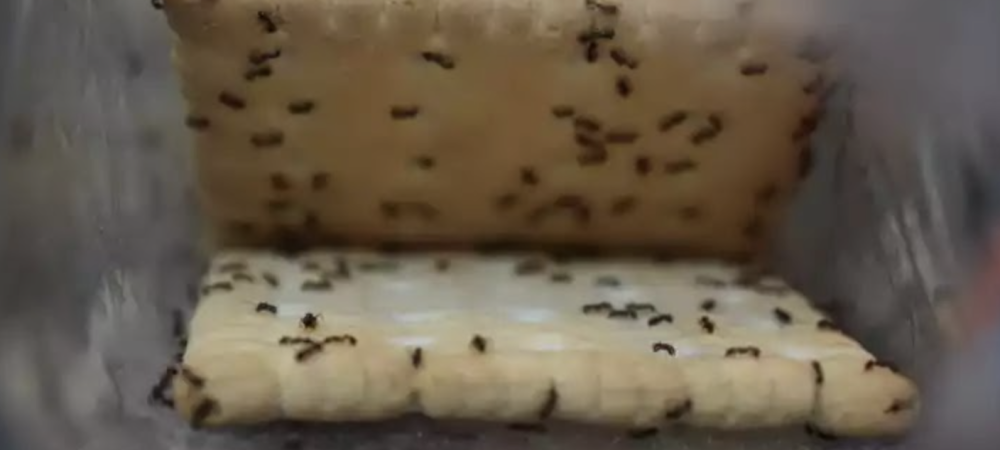
Most people treat ants as one problem. Ant on counter, spray ant, repeat next week. That approach fails often enough that it is worth understanding why.
South Carolina has roughly 200 ant species. The handful that show up in homes want different foods, nest in different places, and respond to completely different control methods. A treatment that wipes out one species can make another one worse.
Where do ants in the house come from?
Almost always from outside. Clemson Extension notes that most indoor ant problems originate from outdoor locations, with ants entering buildings to forage for food and then returning to a colony in the yard.
Some species do establish indoors, nesting in wall voids, behind baseboards, or inside hollow doors. But the default assumption should be that the colony is outside and the kitchen is just a feeding station. That is why sealing entry points and treating the perimeter usually matters more than what you spray on the counter.
What are the most common ants in South Carolina homes?
Odorous house ants. Brown to black, about an eighth of an inch long. The giveaway is the smell: crushed odorous house ants have been described as smelling like rotten coconut or suntan lotion. They are a native species and they nest in small, scattered colonies, often under mulch, leaf litter, or bark, and sometimes indoors.
Argentine ants. Similar size and often confused with odorous house ants, but they lack the smell. The important difference is scale. Argentine ant colonies range from a few hundred workers to several hundred thousand, spread across many interconnected nest sites. Killing the ants you can see does very little.
Fire ants. Reddish brown, with the familiar soil mounds in open yard areas. These are primarily an outdoor and landscape problem, and they sting. Fire ant management is a different discipline from indoor ant control and usually involves broadcast baiting on a schedule.
Carpenter ants. Among the largest ants you will see. They do not eat wood, but they tunnel into it to build nests, which is why they matter structurally. Clemson describes a telltale sign: a pile of coarse wood shavings outside a hole or opening, with insect parts mixed in. That mix of shavings and body parts is what separates carpenter ant frass from sawdust.
Field ants. Frequently mistaken for carpenter ants because of their size. Clemson points to an uneven thorax as the distinguishing feature. They do not sting, but they can pinch skin and spray formic acid into the wound, which feels like a sting.
Acrobat ants. Worth knowing because of where they nest. Clemson notes they may nest in wall voids, baseboards, or door and window framing, particularly where the wood has been damaged by moisture or previously infested by another insect. In a coastal climate, that is a common situation.
Why is ant spray not working anymore?
Two reasons, and both are common.
You are killing foragers, not the colony. The ants on your counter are a small fraction of the population. Clemson explains that effective baits work precisely because they are slow acting: workers feed, return to the colony, and share the bait with the rest before they die. That delay is a feature, not a defect.
Spray and bait are working against each other. Clemson advises against spraying bait stations or moving them while ants are feeding, and against blanket spraying of floors, counters, inside drawers, or cabinets. Repellent sprays applied around bait can drive ants away from the thing that would have solved the problem. With some species, disturbing a colony can also cause it to split and scatter into multiple new nest sites, which turns one trail into several.
Need Guaranteed Relief From Ants?
If you are seeing activity come back after treating, finding wood shavings, or looking at swarmers you cannot identify, get eyes on it before it becomes a structural problem. Request a free estimate from our South Carolina ant exterminators. We will identify the species, find the nest instead of the trail, and tell you what you are actually dealing with.